


Several offences are covered under the criminal law, and the punishment provided for each differs from case to case. The outcome differs in ways that the offender is sometimes not punished for the acts done by him, however, against the law. The Indian Penal Code, under Chapter IV titled ‘General
Blogs

India is a democracy. Democracy is derived from the two words ‘demos’ which means people and ‘Kratos’ which means authority. Democracy precisely means a government where every individual has authority in rulemaking, either directly or indirectly. The Preamble of the Indian Constitution

With time, every human attempts to amass his wealth so that he can leave behind a considerable lump sum for his future generations. The transactions regarding the sale and purchase of property occur now and then, whether it is the purchase of a flat, farmhouse, or the like. A sale deed (which is

In the past decade, we have seen the boom in social media has increased in leaps and bounds. The “Social Media Explosion” as we term it has been staggering, the ambit of social media and its use had increased so much that it has been necessary for the law to intervene. Therefore the landscape
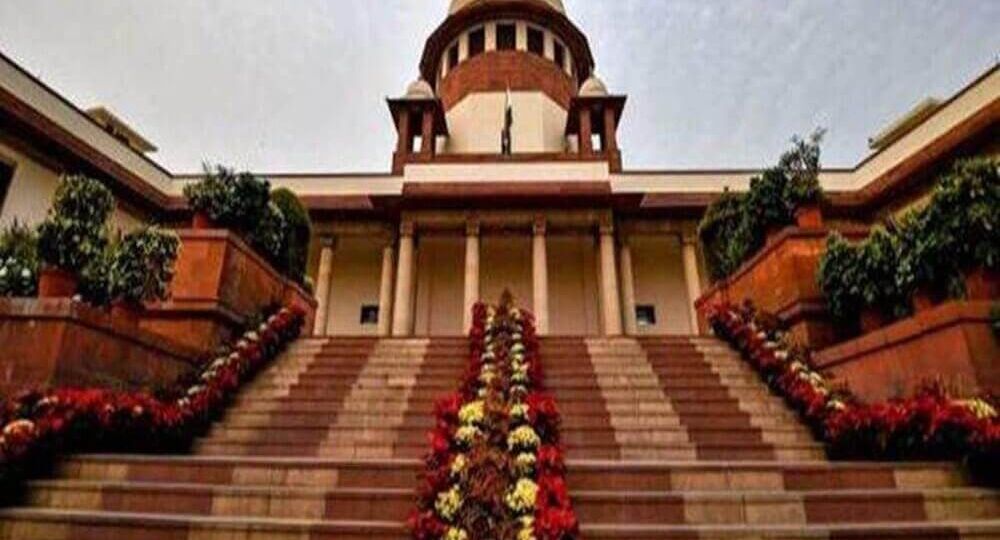
India follows a hostile system. This means that the judge acts as a neutral party and hears the prosecution and defense on legal issues without actually participating in the proceedings. Under the Code of Criminal Procedure of 1973, everyone is entitled to a fair trial and hearing by an

The recent order of the Calcutta High Court directing the Central Bureau of Investigation (CBI) to take over the probe into the Birbhum Violence, in which eight people were burnt alive allegedly in retaliation for the murder of a local Trinamool Congress leader in West Bengal, has put the spotlight

In the previous decade, technology has allowed everyone to experience its pinnacle. The primary goal of social media platforms is to bring individuals and institutions together. The basic objective of social networking sites is to connect people and organisations. Cyber-attacks have become more

The first condition for contracts to develop is a meeting of minds between the parties, which results in an agreement, and those agreements that are enforceable by law result in a contract. All agreements are contracts, but not all contracts are agreements. The offeror/promisor is the one who

Capital Punishment is the most extreme form of legal penalty that is ordered against a malefactor for committing some of the most grotesque and hideous offences against society. In our country, the tenet of the Rarest of the Rare cases is followed wherein the perpetrator is hanged to death only

According to Section 3 of the Indian Majority Act, a person who is under the age of majority, that is, under the age of 18, is said to be a minor. Section 4 of the Indian Partnership Act, 1932, defines partnership and partner as follows: ‘Partnership is the relation between persons who have agreed